In the world of Diablo 4, the Horadric Spellcrafting system introduces a new layer of customization and depth to the game’s already intricate combat mechanics. Through this system, players can further hone their characters’ abilities, shaping the spells, Diablo 4 Items and abilities they use in battle to match their unique playstyle. Horadric Spellcrafting, however, is not just about increasing damage output or making your character more powerful. It’s about truly tailoring your gameplay experience to suit your desires, whether you prefer to focus on survivability, damage output, or versatility.
In this comprehensive guide, we will explore Horadric Spellcrafting in detail, from its basic concepts to the more advanced intricacies. By the end, you should have a clear understanding of how to use this system to its fullest potential, empowering your character to overcome the many challenges in Diablo 4.
1. What is Horadric Spellcrafting?
Horadric Spellcrafting is an advanced system in Diablo 4 that allows players to craft and enhance spells using magical components known as Runes and Sigils. This system lets you modify your abilities in a way that’s more versatile and dynamic than traditional skill trees. While skill trees give you predefined paths for upgrading your character’s abilities, Spellcrafting adds an extra layer of customization by enabling you to apply specific modifications to your skills and spells.
The Horadric Spellcrafting system draws inspiration from the Horadrim, the ancient order of mages who were instrumental in the struggle against the Prime Evils. The Horadrim left behind many powerful secrets, and players can tap into these ancient magics by engaging in the crafting process.
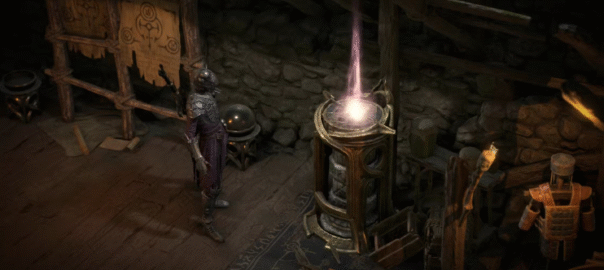
The crafting process involves the use of a special Horadric Altar, where you can combine various resources to alter your existing skills. These resources include:
Runes: Magical symbols that modify the behavior of a skill. Runes are used to alter the effect, damage, duration, and other parameters of a spell.
Sigils: Special artifacts that can be used to grant powerful buffs or even completely change how a spell behaves. Sigils are rarer than Runes and have a much stronger impact on the crafting process.
By combining Runes and Sigils in different ways, you can create a wide variety of new effects for your skills, allowing for endless customization possibilities.
2. How to Access Horadric Spellcrafting
To start utilizing Horadric Spellcrafting, you first need to unlock it in the game. Here’s how you can get started:
Reach the Endgame: Horadric Spellcrafting becomes available once you reach the endgame content in Diablo 4. This ensures that only players who have invested significant time into the game can access this advanced system.
Find the Horadric Altar: The Horadric Altar is the hub for all your crafting activities. It can be found in a specific area of the endgame map. Players will have to complete specific tasks or quests to gain access to the altar.
Collect Resources: Runes and Sigils are scattered throughout the world, often as rewards for completing dungeons, quests, or defeating elite enemies. The more resources you gather, the more options you have when crafting your spells.
3. Runes: The Building Blocks of Spellcrafting
Runes are the core elements used in Horadric Spellcrafting. Each Rune has its own unique effect, and when combined with a skill, it modifies that skill’s properties. The impact of a Rune can range from simple stat boosts to major alterations in how the skill works.
Types of Runes
Elemental Runes: These Runes imbue your abilities with elemental properties such as Fire, Ice, Lightning, and Poison. For example, a Fire Rune might turn your normal fireball spell into a powerful AoE (area of effect) flame burst that leaves a burning ground effect.
Damage Runes: These Runes enhance the raw damage output of your skills. They can increase the scaling of your spells, adding bonus damage based on factors like your character’s attributes or even the number of enemies hit.
Utility Runes: Utility Runes are focused on providing additional benefits during combat. They can increase healing effects, reduce cooldowns, or add defensive capabilities to your skills. A defensive Rune could, for example, grant you a shield every time you cast a certain ability.
Control Runes: These Runes change the crowd control properties of your abilities. For instance, a Stun Rune could cause your skill to not only damage but also stun enemies in the area for a few seconds.
Crafting with Runes
When you craft with Runes, you essentially modify the base ability of your character’s skill. For example, if your character uses a basic Fireball, you might combine it with a Chain Rune to make the fireball bounce between enemies. Similarly, a Slow Rune could cause your fireball to also slow enemies in its path, providing you with more control over the battlefield.
Players can experiment with different combinations of Runes and test their outcomes. Some may seem simple, but with the right combination, they can unlock synergies that drastically change your playstyle.
4. Sigils: Powerful Modifications
Sigils are the rarest and most potent crafting items in the Horadric Spellcrafting system. Unlike Runes, which are relatively common, Sigils can have a wide range of effects and dramatically alter the behavior of your spells.
Types of Sigils
Affliction Sigils: These Sigils grant your skills the ability to inflict status ailments on enemies, such as burning, freezing, or poisoning. For example, a Frost Sigil could turn a Fireball into a Frostball that freezes enemies in its wake.
Summoning Sigils: These Sigils allow you to summon creatures or objects that assist in combat. For example, a Summon Golem Sigil might cause your Earthquake ability to summon a temporary Golem that deals additional damage and tanks enemy hits.
Ultimate Sigils: These are incredibly rare Sigils that alter an ability’s ultimate form. For instance, an Inferno Sigil could enhance your Meteor spell, transforming it from a single impact into an explosive AoE damage dealer that rains meteors across the battlefield.
Defensive Sigils: These Sigils give your character or abilities defensive buffs, such as increased armor, resistance, or healing. A Shield Sigil could cause your Barrier skill to create a massive shield that absorbs all incoming damage for a brief period.
Combining Sigils with Runes
The real power of Horadric Spellcrafting comes when you combine both Sigils and Runes. A simple Fireball can be made to bounce, chain between targets, and apply both burning and freezing effects with the right combination of Sigils and Runes. The crafting process opens up nearly endless combinations that let you tailor your character to your preferred combat style.
5. Best Practices for Horadric Spellcrafting
Now that you understand the basics of Horadric Spellcrafting, it’s time to dive into how to optimize this system for your character. Here are a few tips and best practices to get the most out of your crafting efforts:
Experiment with Synergies: Don’t just aim for raw damage; think about synergies between your skills. For example, pairing a Slow Rune with a Poison Sigil could allow you to trap enemies in a slow-moving poison field, keeping them in place long enough for your poison to do its work.
Adapt to Your Playstyle: Whether you prefer to be in the front lines, casting from a distance, or supporting your allies, Horadric Spellcrafting gives you the flexibility to tailor your skills to your preferences. If you’re more of a tanky player, for instance, you could focus on crafting defensive runes and sigils that enhance your survivability.
Resource Management: Runes and Sigils can be hard to come by, so make sure you use them wisely. You don’t need to craft every ability at once—focus on a few key skills and upgrade them incrementally as you acquire more resources.
Consider Team Composition: In group play, Horadric Spellcrafting can be used to complement your allies’ abilities. If your team lacks crowd control or healing, consider crafting spells that can fill those gaps.
Experiment with Endgame Builds: As you unlock more powerful crafting options in the late game, don’t be afraid to experiment with builds. You might discover combinations that offer even greater synergy, enabling you to unleash devastating combos or become a much more versatile support character.
6. Conclusion
Horadric Spellcrafting in Diablo 4 is an exciting addition that offers unparalleled customization for your character’s abilities. The ability to modify and craft spells with Runes and Sigils allows for immense creativity and experimentation. By unlocking the power of the Horadrim’s ancient secrets, players can create unique spellcasting builds that match their preferred playstyle and tackle the game’s challenges with new strategies and tactics, buy Diablo 4 Gold directly can help you get a faster gaming experience.
Whether you are a seasoned Diablo veteran or a newcomer to the franchise, Horadric Spellcrafting is a system that rewards experimentation and strategic thinking. Unlock the power of the Horadrim, craft your spells with care, and prepare for an unforgettable journey through Diablo 4’s dark and dangerous world.