Tag Archives: buy Diablo 4 Gold

Diablo 4 Season 11 Masterworking Rework Explained: Quality Changes, Costs, and Power Impact

Diablo 4 Season 11 has taken a surprisingly positive turn thanks to Blizzard’s extensive redesign of the Masterworking system. After heavy criticism of the post-PTR version-where upgrades felt expensive, restrictive, and unrewarding developers went back to the drawing board. The result is a far more powerful, flexible, and satisfying crafting system that significantly raises the value of endgame gear.

If you’re planning your Season 11 build, preparing for high-tier content, or calculating how much Obducite you’ll need, this SEO-ready guide breaks down every major Masterworking change and explains why the system is now one of the best updates Diablo 4 has seen in months.

Masterworking in Diablo 4 Season 11: How Quality Works Now

The biggest and most impactful change revolves around Quality. Previously, Masterworking granted limited bonuses that applied only to select affixes, often making the system feel underwhelming. In Season 11, Blizzard has completely reworked this approach.

The New Quality Rules

·Every point of Quality increases all affix values by 1%

·Each Masterwork upgrade grants 2-5 Qualit.y

·Maximum Quality increased to 25 (up from 20)

Instead of selectively buffing one stat, Quality now scales every affix on the item simultaneously. That means Attack Speed, Critical Strike Chance, Damage Reduction, Resource Generation, Core Skill Damage, and defensive stats all grow together.

This turns Masterworking into a universal power multiplier rather than a niche enhancement system.

Why the New Quality System Is a Massive Buff

At maximum Quality, you’re looking at a 25% increase to all affixes on a piece of gear. When combined with Tempering, Greater Affixes, Paragon bonuses, and build-defining Uniques, the results can be absurdly strong.

Even items that aren’t “perfect” drops now have real potential. A good item with the right stat profile can be elevated into a near-best-in-slot piece through focused Masterworking. This makes loot hunting far more exciting and reduces the frustration of bricked drops.

Updated Masterworking Costs: Obducite Scaling Explained

Blizzard didn’t just buff power-they also redesigned the Obducite cost structure. Instead of static upgrade costs, Masterworking expenses now scale with your current Quality level.

New Obducite Cost Breakdown

·Quality 0: 10 Obducite

·Quality 5: 25 Obducite

·Quality 15: 66 Obducite

·Quality 25: 100 Obducite

This creates a smooth progression curve where early upgrades are cheap and accessible, while high-end optimization requires commitment.

What This Means for Resource Management

·Early Masterworking is fast, cheap, and efficient

·Mid-tier upgrades require planning and a steady farm

·Pushing items past Quality 20+ is expensive and should be reserved for your best gear.r

Players running multiple builds or experimenting with weapon swaps will need to plan carefully and consider buying Diablo IV Items and materials to keep up with endgame crafting demands.

Fully Masterworked Items Gain a 50% Bonus to One Random Affi.x

The most exciting addition to Season 11 Masterworking is the final reward for fully upgrading an item.

Max Quality Bonus Explained

When an item reaches maximum Masterworking, one random affix receives a 50% bonus.

This bonus can apply to:

·Regular affixes

·Tempered affixes

·Greater affixes

·High-value hybrid or resource-focused roles

This introduces a calculated element of RNG-but one with massive upside.

Double Greater Affix Potential and Min-Maxing

Here’s where the system truly shines.

If your item:

·Already has a Greater Affi.x

·And that Greater Affix is chosen for the 50% bonus

You effectively gain a second layer of scaling on a premium stat. This creates some of the strongest items Diablo 4 has ever seen without relying on broken mechanics.

Even if the bonus lands on a Tempered Affix, the value is enormous, especially for builds that rely on conditional damage multipliers or defensive scaling.

How Masterworking Redefines Diablo 4 Season 11 Power Levels

Before these changes, many players feared Season 11 would be a regression compared to Seasons 9 and 10. Early PTR impressions suggested weaker builds, heavier grind, and limited scaling.

The reworked Masterworking system changes that narrative entirely:

·Builds now scale far harder than expected

·Gear progression feels meaningful at every stage

·Good items can be refined into god-tier equipment

·Greater Affix hunting is more rewarding than Eve

While Season 11 may not reach the most broken power levels of past metas, the gap is much smaller-and some optimized builds may end up even stronger in the long run.

Final Thoughts: Season 11 Might Be Better Than Expected

When Diablo 4 Season 11 was first revealed, expectations were low. Weak gear scaling, high crafting costs, and muted progression dominated early discussions.

Blizzard’s response has been decisive. The redesigned Masterworking system:

·Makes gear progression impactful

·Synergizes perfectly with Tempering

·Boosts every affix at once

·Encourages long-term investment in top-tier Diablo 4 items

For players who enjoy fine-tuning builds, chasing Greater Affixes, and pushing endgame efficiency, Season 11’s Masterworking overhaul may be one of the most important updates Diablo 4 has received to date.

Season 11 may not revive every past power fantasy-but it’s now positioned to be far more rewarding, engaging, and fun than anyone expected.

Diablo 4: Horadric Spellcrafting Guide

In the world of Diablo 4, the Horadric Spellcrafting system introduces a new layer of customization and depth to the game’s already intricate combat mechanics. Through this system, players can further hone their characters’ abilities, shaping the spells, Diablo 4 Items and abilities they use in battle to match their unique playstyle. Horadric Spellcrafting, however, is not just about increasing damage output or making your character more powerful. It’s about truly tailoring your gameplay experience to suit your desires, whether you prefer to focus on survivability, damage output, or versatility.

In this comprehensive guide, we will explore Horadric Spellcrafting in detail, from its basic concepts to the more advanced intricacies. By the end, you should have a clear understanding of how to use this system to its fullest potential, empowering your character to overcome the many challenges in Diablo 4.

1. What is Horadric Spellcrafting?

Horadric Spellcrafting is an advanced system in Diablo 4 that allows players to craft and enhance spells using magical components known as Runes and Sigils. This system lets you modify your abilities in a way that’s more versatile and dynamic than traditional skill trees. While skill trees give you predefined paths for upgrading your character’s abilities, Spellcrafting adds an extra layer of customization by enabling you to apply specific modifications to your skills and spells.

The Horadric Spellcrafting system draws inspiration from the Horadrim, the ancient order of mages who were instrumental in the struggle against the Prime Evils. The Horadrim left behind many powerful secrets, and players can tap into these ancient magics by engaging in the crafting process.

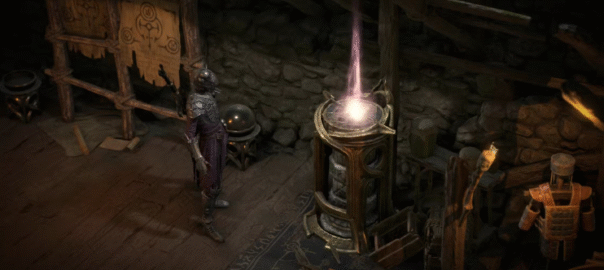
The crafting process involves the use of a special Horadric Altar, where you can combine various resources to alter your existing skills. These resources include:

Runes: Magical symbols that modify the behavior of a skill. Runes are used to alter the effect, damage, duration, and other parameters of a spell.

Sigils: Special artifacts that can be used to grant powerful buffs or even completely change how a spell behaves. Sigils are rarer than Runes and have a much stronger impact on the crafting process.

By combining Runes and Sigils in different ways, you can create a wide variety of new effects for your skills, allowing for endless customization possibilities.

2. How to Access Horadric Spellcrafting

To start utilizing Horadric Spellcrafting, you first need to unlock it in the game. Here’s how you can get started:

Reach the Endgame: Horadric Spellcrafting becomes available once you reach the endgame content in Diablo 4. This ensures that only players who have invested significant time into the game can access this advanced system.

Find the Horadric Altar: The Horadric Altar is the hub for all your crafting activities. It can be found in a specific area of the endgame map. Players will have to complete specific tasks or quests to gain access to the altar.

Collect Resources: Runes and Sigils are scattered throughout the world, often as rewards for completing dungeons, quests, or defeating elite enemies. The more resources you gather, the more options you have when crafting your spells.

3. Runes: The Building Blocks of Spellcrafting

Runes are the core elements used in Horadric Spellcrafting. Each Rune has its own unique effect, and when combined with a skill, it modifies that skill’s properties. The impact of a Rune can range from simple stat boosts to major alterations in how the skill works.

Types of Runes

Elemental Runes: These Runes imbue your abilities with elemental properties such as Fire, Ice, Lightning, and Poison. For example, a Fire Rune might turn your normal fireball spell into a powerful AoE (area of effect) flame burst that leaves a burning ground effect.

Damage Runes: These Runes enhance the raw damage output of your skills. They can increase the scaling of your spells, adding bonus damage based on factors like your character’s attributes or even the number of enemies hit.

Utility Runes: Utility Runes are focused on providing additional benefits during combat. They can increase healing effects, reduce cooldowns, or add defensive capabilities to your skills. A defensive Rune could, for example, grant you a shield every time you cast a certain ability.

Control Runes: These Runes change the crowd control properties of your abilities. For instance, a Stun Rune could cause your skill to not only damage but also stun enemies in the area for a few seconds.

Crafting with Runes

When you craft with Runes, you essentially modify the base ability of your character’s skill. For example, if your character uses a basic Fireball, you might combine it with a Chain Rune to make the fireball bounce between enemies. Similarly, a Slow Rune could cause your fireball to also slow enemies in its path, providing you with more control over the battlefield.

Players can experiment with different combinations of Runes and test their outcomes. Some may seem simple, but with the right combination, they can unlock synergies that drastically change your playstyle.

4. Sigils: Powerful Modifications

Sigils are the rarest and most potent crafting items in the Horadric Spellcrafting system. Unlike Runes, which are relatively common, Sigils can have a wide range of effects and dramatically alter the behavior of your spells.

Types of Sigils

Affliction Sigils: These Sigils grant your skills the ability to inflict status ailments on enemies, such as burning, freezing, or poisoning. For example, a Frost Sigil could turn a Fireball into a Frostball that freezes enemies in its wake.

Summoning Sigils: These Sigils allow you to summon creatures or objects that assist in combat. For example, a Summon Golem Sigil might cause your Earthquake ability to summon a temporary Golem that deals additional damage and tanks enemy hits.

Ultimate Sigils: These are incredibly rare Sigils that alter an ability’s ultimate form. For instance, an Inferno Sigil could enhance your Meteor spell, transforming it from a single impact into an explosive AoE damage dealer that rains meteors across the battlefield.

Defensive Sigils: These Sigils give your character or abilities defensive buffs, such as increased armor, resistance, or healing. A Shield Sigil could cause your Barrier skill to create a massive shield that absorbs all incoming damage for a brief period.

Combining Sigils with Runes

The real power of Horadric Spellcrafting comes when you combine both Sigils and Runes. A simple Fireball can be made to bounce, chain between targets, and apply both burning and freezing effects with the right combination of Sigils and Runes. The crafting process opens up nearly endless combinations that let you tailor your character to your preferred combat style.

5. Best Practices for Horadric Spellcrafting

Now that you understand the basics of Horadric Spellcrafting, it’s time to dive into how to optimize this system for your character. Here are a few tips and best practices to get the most out of your crafting efforts:

Experiment with Synergies: Don’t just aim for raw damage; think about synergies between your skills. For example, pairing a Slow Rune with a Poison Sigil could allow you to trap enemies in a slow-moving poison field, keeping them in place long enough for your poison to do its work.

Adapt to Your Playstyle: Whether you prefer to be in the front lines, casting from a distance, or supporting your allies, Horadric Spellcrafting gives you the flexibility to tailor your skills to your preferences. If you’re more of a tanky player, for instance, you could focus on crafting defensive runes and sigils that enhance your survivability.

Resource Management: Runes and Sigils can be hard to come by, so make sure you use them wisely. You don’t need to craft every ability at once—focus on a few key skills and upgrade them incrementally as you acquire more resources.

Consider Team Composition: In group play, Horadric Spellcrafting can be used to complement your allies’ abilities. If your team lacks crowd control or healing, consider crafting spells that can fill those gaps.

Experiment with Endgame Builds: As you unlock more powerful crafting options in the late game, don’t be afraid to experiment with builds. You might discover combinations that offer even greater synergy, enabling you to unleash devastating combos or become a much more versatile support character.

6. Conclusion

Horadric Spellcrafting in Diablo 4 is an exciting addition that offers unparalleled customization for your character’s abilities. The ability to modify and craft spells with Runes and Sigils allows for immense creativity and experimentation. By unlocking the power of the Horadrim’s ancient secrets, players can create unique spellcasting builds that match their preferred playstyle and tackle the game’s challenges with new strategies and tactics, buy Diablo 4 Gold directly can help you get a faster gaming experience.

Whether you are a seasoned Diablo veteran or a newcomer to the franchise, Horadric Spellcrafting is a system that rewards experimentation and strategic thinking. Unlock the power of the Horadrim, craft your spells with care, and prepare for an unforgettable journey through Diablo 4’s dark and dangerous world.

Revamping the Seasonal Open World in Diablo 4

Speaking from my personal perspective, the open world concept in Diablo IV has evolved from a captivating notion for an ARPG to a monotonous grind. The initial allure of exploration becomes a one-time experience, and after surveying the entire map once, the novelty quickly dissipates. Engaging in tasks for the tree has become tiresome, while grinding for renown feels like a painful ordeal. Unfortunately, the current seasonal changes have made minimal impact on one of the game’s primary attractions, the expansive open world.

To make matters more complex, each update seems to distance the game further from its original distinctive vision. Shifts such as teleporting to Dungeons, providing players with immediate full exploration, and the removal of road barriers that once fostered interaction with the world, all contribute to this departure. Furthermore, the core focus of the season resembles a diluted Path of Exile (PoE) League, failing to leverage Diablo 4’s inherent strengths.

The game finds itself in a rather awkward state, attempting to establish a unique identity while being influenced by the community towards becoming a PoE clone. This endeavor is bound to falter when catering to both hardcore and casual audiences. Instead of conforming, why not emphasize Diablo 4’s true differentiators: Exploration and the open world? The solution lies in rejuvenating exploration, and the approach is remarkably straightforward – introduce a new explorable map.

A significant portion of development has already been invested in assets, mechanics, and the core gameplay loop. These components can be segmented and reconfigured to accommodate seasonal variations and embellishments. The initiation of a new season would entail crafting a sizable map using existing assets, overlaying dungeons, integrating seasonal mechanics, enhancing details, and including hidden secrets for the player community to unveil. Each season could introduce a distinct map, yet maintain a shared experience, fostering a collective sense of exploration and conquest.

Incorporating non-scaling dungeons, designated at level intervals (25/50/75/100/125/150), would offer fixed challenges for optimization enthusiasts and leaderboards. Concealing secrets within hidden corners would cater to explorers seeking the thrill of discovery. Crafting gathering points with boss encounters and regular world events would cater to social players.

While this approach may inevitably include occasional generic elements, it would infuse each season with a true sense of novelty. More importantly, with iterative seasonal improvements, this strategy could provide Diablo 4 with a much-needed distinct identity to build upon. The absence of rigid map constraints offers developers the freedom to experiment occasionally with imaginative concepts, such as an entire seasonal map set in Hell. As for the existing lore and world, the eternal realm would persist, housing all the familiar elements.

What are your thoughts on this proposition? Is it feasible for a full-priced game with a battle pass and rotating $25 outfits? Would such an approach kindle your enthusiasm to return to the game each season? Do you need to buy Diablo 4 Gold?How is the service of MMOexp.com?