All posts by Alexa Little

How to Get the Flame Cape in OSRS:A Complete Guide

Few items in Old School RuneScape carry as much significance, honor, and challenge as the Flame Cape. Awarded to players who conquer one of the game toughest single-player challenges – Hellgate – this cloak is more than just a piece of gear, it’s a badge of honor.

With its impressive stats, fiery design, and bragging rights, the Flame Cape is a must-have for elite PvM players and anyone looking to prove their skills. Whether you want to get it the hard way or enlist the help of an expert, this guide will break down everything you need to know.

The Flame Cape is the reward for defeating TzKal-Zuk, the final boss of Hellgate. A direct upgrade to the Flame Cape, it has even more powerful combat bonuses, including:

+2 Prayer

+2 Strength

+2 Ranged Attack

+2 Magic Damage Bonus

A fiery red exterior that’ll turn heads in any bank

It’s not easy to get – but that’s what makes it special.

Requirements for Challenging Hellfire

Hellfire is the ultimate test of PVM skills in OSRS. You need more than just good equipment – you need adequate preparation, patience, and precise control.

1.Combat Attributes

    Minimum Recommendation:

    90+ Ranged

    85+ HP

    80+ Defense

    77+ Prayer (for Rigor and Divination)

    94+ Magic (for Frost Barrage)

    The higher your attributes, the more forgiving Hellfire is.

    2.Equipment

      You need to choose the best equipment within your budget. Common items include:

      Twisted Bow or Blowpipe (Ranged DPS)

      Armadiel or Khalil’s Armor

      Saradomin Blade, Elysium Spirit Shield, or Ancient Wyvern Shield

      Anglerfish, Saradomin Brew, Prayer Potions, and Restoration Potions

      3.Game Knowledge

        You must understand:

        Safe spots and lane manipulation

        Monster mechanics, especially for Gnawers, Rangers, Mages, and Zooks

        Prayer Switches and Map Markers

        How to get the Flame Cloak

        Playing Hellfire solo is one of the most rewarding experiences in OSRS. Here’s how to maximize your chances of winning:

        1.Train in a practice environment

          Start with a lower difficulty PvM, such as the Battle Cave or Slayer missions, to perfect your mechanics and prayer switches.

          2.Study the Expert Guides

            Watch Hellfire matches on YouTube or Twitch. Pay attention to how the top players position themselves, prioritize their targets, and respond to each wave of attacks.

            3.Use Practice Addons

              If using RuneLite, enable the following addons:

              Prayer Helper

              Enemy Health Bar

              Block Marker

              These tools can significantly improve your awareness during intense waves.

              4.Be Prepared to Fail

                Inferno difficulty takes time to master. Don’t get discouraged by early mistakes – treat every attempt as a learning experience.

                Professional Help: RSgoldfast Buy OSRS gold to help you get the Flame Cloak

                Not every player has the time or patience to grind out Inferno difficulty – and that’s okay. Services like RSgoldfast offer a shortcut.

                Why RSgoldfast?

                Experienced Inferno Experts

                Their team is made up of experienced players who have completed hundreds of Inferno challenges.

                Safe and Reliable

                With years of great reviews, RSgoldfast has built a solid reputation for reliability and customer satisfaction. buy RS gold here.

                Fast Turnaround

                Once your account is ready (meets the attribute and gear requirements), they can usually complete the task within hours.

                Affordable Choice

                Many players consider this service worth the time investment required to complete a single-player Inferno.

                Important: Always enable account protections like two-factor authentication, and never share personal information with third-party services.

                Whether you conquer Inferno through sheer grit and hard work, or choose to outsource it to a professional, earning the Cape of Fire is a key milestone in OSRS. More than just a stat boost, it’s a testament to your dedication, skill, and perseverance.

                So sharpen your weapons, tweak your strategy, and prepare for the ultimate PvM challenge. The Cape of Fire awaits—and it’s well worth the effort.

                Diablo 4: Horadric Spellcrafting Guide

                In the world of Diablo 4, the Horadric Spellcrafting system introduces a new layer of customization and depth to the game’s already intricate combat mechanics. Through this system, players can further hone their characters’ abilities, shaping the spells, Diablo 4 Items and abilities they use in battle to match their unique playstyle. Horadric Spellcrafting, however, is not just about increasing damage output or making your character more powerful. It’s about truly tailoring your gameplay experience to suit your desires, whether you prefer to focus on survivability, damage output, or versatility.

                In this comprehensive guide, we will explore Horadric Spellcrafting in detail, from its basic concepts to the more advanced intricacies. By the end, you should have a clear understanding of how to use this system to its fullest potential, empowering your character to overcome the many challenges in Diablo 4.

                1. What is Horadric Spellcrafting?

                Horadric Spellcrafting is an advanced system in Diablo 4 that allows players to craft and enhance spells using magical components known as Runes and Sigils. This system lets you modify your abilities in a way that’s more versatile and dynamic than traditional skill trees. While skill trees give you predefined paths for upgrading your character’s abilities, Spellcrafting adds an extra layer of customization by enabling you to apply specific modifications to your skills and spells.

                The Horadric Spellcrafting system draws inspiration from the Horadrim, the ancient order of mages who were instrumental in the struggle against the Prime Evils. The Horadrim left behind many powerful secrets, and players can tap into these ancient magics by engaging in the crafting process.

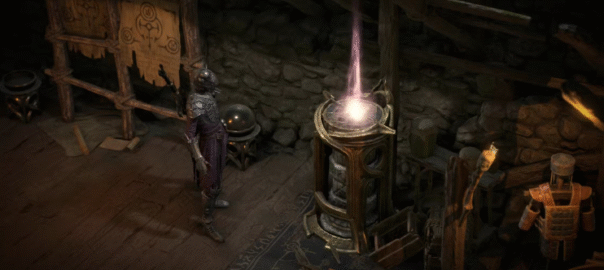
                The crafting process involves the use of a special Horadric Altar, where you can combine various resources to alter your existing skills. These resources include:

                Runes: Magical symbols that modify the behavior of a skill. Runes are used to alter the effect, damage, duration, and other parameters of a spell.

                Sigils: Special artifacts that can be used to grant powerful buffs or even completely change how a spell behaves. Sigils are rarer than Runes and have a much stronger impact on the crafting process.

                By combining Runes and Sigils in different ways, you can create a wide variety of new effects for your skills, allowing for endless customization possibilities.

                2. How to Access Horadric Spellcrafting

                To start utilizing Horadric Spellcrafting, you first need to unlock it in the game. Here’s how you can get started:

                Reach the Endgame: Horadric Spellcrafting becomes available once you reach the endgame content in Diablo 4. This ensures that only players who have invested significant time into the game can access this advanced system.

                Find the Horadric Altar: The Horadric Altar is the hub for all your crafting activities. It can be found in a specific area of the endgame map. Players will have to complete specific tasks or quests to gain access to the altar.

                Collect Resources: Runes and Sigils are scattered throughout the world, often as rewards for completing dungeons, quests, or defeating elite enemies. The more resources you gather, the more options you have when crafting your spells.

                3. Runes: The Building Blocks of Spellcrafting

                Runes are the core elements used in Horadric Spellcrafting. Each Rune has its own unique effect, and when combined with a skill, it modifies that skill’s properties. The impact of a Rune can range from simple stat boosts to major alterations in how the skill works.

                Types of Runes

                Elemental Runes: These Runes imbue your abilities with elemental properties such as Fire, Ice, Lightning, and Poison. For example, a Fire Rune might turn your normal fireball spell into a powerful AoE (area of effect) flame burst that leaves a burning ground effect.

                Damage Runes: These Runes enhance the raw damage output of your skills. They can increase the scaling of your spells, adding bonus damage based on factors like your character’s attributes or even the number of enemies hit.

                Utility Runes: Utility Runes are focused on providing additional benefits during combat. They can increase healing effects, reduce cooldowns, or add defensive capabilities to your skills. A defensive Rune could, for example, grant you a shield every time you cast a certain ability.

                Control Runes: These Runes change the crowd control properties of your abilities. For instance, a Stun Rune could cause your skill to not only damage but also stun enemies in the area for a few seconds.

                Crafting with Runes

                When you craft with Runes, you essentially modify the base ability of your character’s skill. For example, if your character uses a basic Fireball, you might combine it with a Chain Rune to make the fireball bounce between enemies. Similarly, a Slow Rune could cause your fireball to also slow enemies in its path, providing you with more control over the battlefield.

                Players can experiment with different combinations of Runes and test their outcomes. Some may seem simple, but with the right combination, they can unlock synergies that drastically change your playstyle.

                4. Sigils: Powerful Modifications

                Sigils are the rarest and most potent crafting items in the Horadric Spellcrafting system. Unlike Runes, which are relatively common, Sigils can have a wide range of effects and dramatically alter the behavior of your spells.

                Types of Sigils

                Affliction Sigils: These Sigils grant your skills the ability to inflict status ailments on enemies, such as burning, freezing, or poisoning. For example, a Frost Sigil could turn a Fireball into a Frostball that freezes enemies in its wake.

                Summoning Sigils: These Sigils allow you to summon creatures or objects that assist in combat. For example, a Summon Golem Sigil might cause your Earthquake ability to summon a temporary Golem that deals additional damage and tanks enemy hits.

                Ultimate Sigils: These are incredibly rare Sigils that alter an ability’s ultimate form. For instance, an Inferno Sigil could enhance your Meteor spell, transforming it from a single impact into an explosive AoE damage dealer that rains meteors across the battlefield.

                Defensive Sigils: These Sigils give your character or abilities defensive buffs, such as increased armor, resistance, or healing. A Shield Sigil could cause your Barrier skill to create a massive shield that absorbs all incoming damage for a brief period.

                Combining Sigils with Runes

                The real power of Horadric Spellcrafting comes when you combine both Sigils and Runes. A simple Fireball can be made to bounce, chain between targets, and apply both burning and freezing effects with the right combination of Sigils and Runes. The crafting process opens up nearly endless combinations that let you tailor your character to your preferred combat style.

                5. Best Practices for Horadric Spellcrafting

                Now that you understand the basics of Horadric Spellcrafting, it’s time to dive into how to optimize this system for your character. Here are a few tips and best practices to get the most out of your crafting efforts:

                Experiment with Synergies: Don’t just aim for raw damage; think about synergies between your skills. For example, pairing a Slow Rune with a Poison Sigil could allow you to trap enemies in a slow-moving poison field, keeping them in place long enough for your poison to do its work.

                Adapt to Your Playstyle: Whether you prefer to be in the front lines, casting from a distance, or supporting your allies, Horadric Spellcrafting gives you the flexibility to tailor your skills to your preferences. If you’re more of a tanky player, for instance, you could focus on crafting defensive runes and sigils that enhance your survivability.

                Resource Management: Runes and Sigils can be hard to come by, so make sure you use them wisely. You don’t need to craft every ability at once—focus on a few key skills and upgrade them incrementally as you acquire more resources.

                Consider Team Composition: In group play, Horadric Spellcrafting can be used to complement your allies’ abilities. If your team lacks crowd control or healing, consider crafting spells that can fill those gaps.

                Experiment with Endgame Builds: As you unlock more powerful crafting options in the late game, don’t be afraid to experiment with builds. You might discover combinations that offer even greater synergy, enabling you to unleash devastating combos or become a much more versatile support character.

                6. Conclusion

                Horadric Spellcrafting in Diablo 4 is an exciting addition that offers unparalleled customization for your character’s abilities. The ability to modify and craft spells with Runes and Sigils allows for immense creativity and experimentation. By unlocking the power of the Horadrim’s ancient secrets, players can create unique spellcasting builds that match their preferred playstyle and tackle the game’s challenges with new strategies and tactics, buy Diablo 4 Gold directly can help you get a faster gaming experience.

                Whether you are a seasoned Diablo veteran or a newcomer to the franchise, Horadric Spellcrafting is a system that rewards experimentation and strategic thinking. Unlock the power of the Horadrim, craft your spells with care, and prepare for an unforgettable journey through Diablo 4’s dark and dangerous world.
                Skull and Bones: Infamy Levels Explained – From Nobody to Nautical Legend

                In Skull and Bones, piracy isn’t just a theme—it’s your identity. Set in the perilous waters of the Indian Ocean, Ubisoft’s naval action-RPG casts you into a ruthless, open-world struggle for dominance, riches, and reputation. But survival is just the beginning. To truly rule the seas, you must build something far more valuable than gold: Infamy.

                Infamy is your rank, your resume, and your reputation rolled into one. Everything you do—from plundering merchant convoys to winning high-stakes naval duels—adds to your growing legend. And as your Infamy climbs, so do the stakes, the rewards, and the enemies gunning for your head.Get the best Skull and Bones Items from MMOexp today and rule the seas like a true legend!

                Ready to become the most feared pirate alive? Let’s chart your course through every Infamy level in Skull and Bones.

                Infamy is the backbone of progression in Skull and Bones. Think of it as your pirate tier system—a tracker that evolves with your actions and reflects your standing in the lawless world around you. Earn enough Infamy, and you’ll unlock:

                New ships and ship types

                Rare blueprints and upgrades

                Exclusive cosmetic gear

                Access to high-tier missions and regions

                It’s not just about leveling up. It’s about becoming a legend.

                All Infamy Ranks in Skull and Bones

                Here’s a full breakdown of the Infamy tiers—and what they mean for your journey:

                1.Scallywag

                  Welcome to the bottom of the barrel.

                  This is where your story begins. As a Scallywag, you’re barely a blip on the radar. Expect basic tutorials, low-risk missions, and an uphill climb. But every pirate starts somewhere.

                  2.Buccaneer

                    Now you’re getting your sea legs.

                    You’ve earned a bit of respect—and better gear. Missions get tougher, enemies more dangerous, and opportunities more rewarding. Your name beginning to carry weight on the waves.

                    3.Outlaw

                      You’re no longer a nobody.

                      Outlaws are known, feared, and occasionally hunted. You’ll engage in coordinated raids, navigate political tension between factions, and encounter enemies who don’t go down easy.

                      4.Rogue

                        Infamous, unpredictable, unstoppable.

                        At this stage, you’ve earned notoriety as a ruthless threat. Rogues get access to elite tools and powerful ship upgrades. But beware—the higher your Infamy, the more you’re targeted by rival pirates.

                        5.Legend

                          You’ve conquered the sea—and etched your name into pirate history.
                          Legends unlock the most dangerous and rewarding content in the game. Legendary missions, exotic loot, endgame naval warfare—this is the pinnacle of piracy in Skull and Bones. Your story will echo through every port and storm.

                          Want to climb the Infamy ladder quicker? Here are a few tried-and-true strategies:

                          Don’t Be a One-Trick Pirate

                          Mix up your activities: sink ships, raid outposts, trade contraband, and explore. Diverse gameplay means faster rewards.

                          Sail with Allies

                          Some challenges are best tackled in a crew. Forming a fleet improves mission efficiency and survivability in high-risk zones.

                          Master the Map

                          The Indian Ocean is full of secrets. Hidden loot, rare contracts, and NPC traders can all give you a massive Infamy boost—if you know where to look.

                          Pick Your Battles Wisely

                          Infamy draws attention. Push too fast without upgrading, and you’ll become shark bait. Keep your ship and crew battle-ready at all times.

                          Don’t let rival pirates outgun you. Equip premium buy Skull and Bones Silver from MMOexp to get a serious edge in combat and trade. Better gear = faster Infamy = more loot. Simple math.

                          In Skull and Bones, climbing the Infamy ranks is more than a grind—it’s a story of power, risk, and transformation. You begin as a no-name drifter and rise to become a sea-shaking force of legend. Every battle, every betrayal, and every treasure adds to your myth.

                          So hoist your flag, ready your cannons, and write your legacy in blood and salt. The ocean won’t remember the careful—it remembers the legendary.

                          How to Beat Diablo 4 Pinch of Poison for an Elixir Recipe

                          In Diablo 4, elixirs are potent consumable items that provide players with various buffs to enhance their combat abilities, grant resistances, or boost survivability. Among the various ingredients that are used to craft these powerful elixirs, the “Pinch of Poison” is a key component for certain elixir recipes. However, obtaining this elusive item is not always straightforward. Players need to face certain challenges and enemies that drop it, often leading to frustration if the right steps aren’t followed.

                          This article will walk you through everything you need to know about how to beat the Pinch of Poison in Diablo 4, including its significance in elixir crafting, where to find it, and how to increase your chances of obtaining it. Whether you’re a seasoned veteran or new to the game, this guide will ensure that you’re well-equipped to handle the challenges ahead.

                          What Is a Pinch of Poison?

                          The Pinch of Poison is a rare crafting Diablo 4 materials, used in the creation of various elixirs that grant powerful buffs to players. Specifically, these elixirs can provide enhancements to poison resistance, health regeneration, or damage mitigation against certain types of enemies, making them crucial for players dealing with specific content or hostile environments.

                          The Pinch of Poison is typically not something that can be easily purchased from vendors or found in the wild. Instead, it must be obtained through defeating specific enemies, completing certain quests, or gathering it as a reward for progressing through particular zones. While it may seem like a small and insignificant item, its role in crafting high-tier elixirs makes it a highly coveted ingredient.

                          The Role of Elixirs in Diablo 4

                          Before diving into how to beat the Pinch of Poison, it’s essential to understand the role of elixirs in Diablo 4. These consumables can be used strategically to improve a player’s stats, resistances, or abilities for a limited time. For example, some elixirs may grant poison resistance or increase the player’s poison damage output, while others might enhance defense or boost damage against elite enemies.

                          Elixirs are especially important in higher-level play, where tough bosses and dangerous areas pose significant challenges. Many players use elixirs as part of their overall strategy to ensure that they can survive and thrive in these high-stakes encounters. As a result, knowing how to obtain the ingredients for crafting these elixirs, including the Pinch of Poison, is essential for any serious player.

                          Where to Find the Pinch of Poison

                          The Pinch of Poison is dropped by specific enemies that are found in various areas across the world of Sanctuary. While it’s not an item that can be farmed in any location, certain regions are more likely to yield it. Understanding the best places to look for these enemies and how to efficiently farm them is key to obtaining the Pinch of Poison.

                          1. Poisonous Creatures and Monsters

                          The best place to start looking for a Pinch of Poison is by seeking out monsters that have poison-based attacks or are otherwise associated with toxic environments. These creatures can often be found in swampy areas, caves, or locations with high levels of environmental hazards.

                          Swamp Areas and Marshes: Many of the game’s swamp-themed zones feature monsters that deal poison damage. These are prime locations to find enemies that drop the Pinch of Poison. Areas such as The Mire or The Blighted Pools are some of the most notorious for such monsters.

                          Poisonous Bosses: Specific boss fights can also drop Pinch of Poison. These bosses typically have poison attacks or unique mechanics related to toxins. The drop rate for the Pinch of Poison from bosses is higher, but they are also more difficult to defeat.

                          Toxic Slimes and Corrupted Creatures: Slime creatures and corrupted wildlife that have undergone poison-based mutations can often be found in areas steeped in corruption or arcane poison. These enemies are often located in Diablo 4’s dark, twisted dungeons or caves.

                          2. Poison-Focused Zones

                          While enemies are your primary source of a Pinch of Poison, there are certain areas of the map where these types of creatures appear more frequently. Many of these areas are designed with environmental hazards, such as poison clouds, toxic water, or infected swamps, which further intensify the challenge of defeating these foes. Notable zones include:

                          The Weeping Swamp: A vast area filled with poison-spitting enemies, perfect for farming the Pinch of Poison.

                          Scorched Hollow: This location features toxic hazards as well as corrupted enemies that can drop valuable materials, including the elusive Pinch of Poison.

                          It’s important to use proper strategy when exploring these zones. Be sure to bring along enough antidotes or poison resistance elixirs to handle the environmental dangers.

                          How to Increase Your Chances of Obtaining a Pinch of Poison

                          Now that you know where to find the Pinch of Poison, it’s essential to discuss how you can increase your chances of getting it. Farming for rare ingredients in Diablo 4 can sometimes feel like a grind, but there are ways to make the process more efficient and rewarding.

                          1. Use Increased Drop Rate Buffs

                          In Diablo 4, there are certain passive abilities, items, or potions that can increase the drop rate of rare materials like the Pinch of Poison. If you’re specifically farming for this ingredient, it’s worth considering equipping items or abilities that boost your loot chances. Some buffs or modifiers may increase the likelihood of crafting material drops, especially when defeating bosses or elite monsters.

                          2. Complete Poison-Themed Events

                          Throughout Diablo 4, there are specific world events or activities tied to poison or corruption. Participating in these events may increase the number of poison-themed creatures you encounter, boosting your chances of obtaining the Pinch of Poison. Look for events in the game world that feature creatures or areas where poison is a central theme.

                          3. Farm Elite Monsters and Rare Bosses

                          Elite monsters or rare bosses are known for dropping higher-quality loot compared to regular enemies. They also have a much higher chance of dropping specific crafting materials like the Pinch of Poison. These enemies are typically harder to defeat, but with the right strategy, you can efficiently farm them for the cheap Diablo IV Items you need.

                          4. Group Farming

                          Farming in groups can be highly effective when it comes to gathering rare materials. Grouping up allows you to tackle tougher enemies and events more efficiently. If you’re farming an area known for Pinch of Poison drops, team up with other players to increase the overall speed and success rate of your farming sessions.

                          Strategies for Defeating Poison-Based Enemies

                          As you venture into toxic areas or confront enemies that deal poison damage, it’s crucial to prepare your character with the right strategy. Poison-based creatures can inflict debilitating status effects on your character, making it harder to survive and deal damage. Here are some key tips to defeat these enemies:

                          1. Gear Up for Poison Resistance

                          If you’re venturing into toxic zones or taking on poison-dealing enemies, be sure to equip gear that offers poison resistance. There are specific armor sets, rings, or amulets that grant this resistance, helping mitigate the damage you take from poisonous attacks.

                          2. Bring Antidotes or Elixirs

                          Antidotes and poison resistance elixirs are invaluable when you’re up against poison-themed enemies. Stock up on these consumables and use them strategically to avoid being overwhelmed by status effects.

                          3. Utilize Poison-Resistant Companions

                          In Diablo 4, companions such as wolves or ravens can provide support in combat. Make sure to choose companions that either deal poison damage to enemies or possess abilities that can mitigate the effects of poison.

                          4. Move Swiftly and Keep Your Distance

                          Many poison-based enemies rely on area-of-effect poison clouds or poison projectiles. Staying mobile and avoiding these attacks is key to surviving these encounters. Consider using ranged attacks or crowd-control abilities to keep your distance from enemies while dealing damage.

                          Conclusion

                          The Pinch of Poison may seem like a minor ingredient in the grand scheme of Diablo 4, but its significance in crafting elixirs that provide vital buffs cannot be underestimated. Whether you’re tackling difficult bosses, exploring dangerous toxic zones, or engaging in group farming, understanding how to obtain and use the Pinch of Poison will greatly enhance your survival and success in the game.

                          Remember to focus on the right farming locations, increase your chances with loot-enhancing buffs, and prepare adequately for poison-based enemies. By doing so, you’ll be able to craft the elixirs you need to take on even the toughest challenges that Diablo 4 has to offer.

                          Happy hunting, and may your poison resistance be high and your drops plentiful!

                          Mmoexp Best race in The Elder Scrolls IV: Oblivion Remastered

                          Choosing the best race in The Elder Scrolls IV: Oblivion Remastered can be a challenging decision, as each race brings its strengths and weaknesses to the table. While the choice ultimately depends on your desired playstyle, it is crucial to understand how each race performs in different character builds. The different races have unique attributes and abilities that influence the early stages of the game, especially as you level up. Here’s a breakdown of the best race for various playstyles, from combat-focused warriors to stealthy thieves and powerful mages.

                          Best Race for Melee Combat: Nord, Orc, or Redguard

                          If you’re aiming for a powerhouse melee character, the Nord, Orc, and Redguard are excellent choices.

                          Nord: Nords come from the northernmost region of Tamriel, Skyrim, and they are built for survival. With their Woad ability, they can cast Shield on themselves, offering additional defense, and their Nordic Frost ability inflicts 50 points of frost damage with each hit. These racial traits make Nords ideal for a barbarian-style build, especially if you’re focused on heavy armor and powerful weapons. However, they aren’t as durable as Orcs, so you may find yourself needing to strategize more in tougher battles.

                          Orcs: Orcs are the ultimate tanks in Oblivion. With their Berserk ability, they gain a significant boost to Health, Strength, and Fatigue, making them absolute monsters in combat. Though their Agility decreases, their ability to withstand damage and dish out massive amounts of damage more than compensates. If you enjoy playing a durable warrior capable of taking and dealing heavy blows, Orcs are the go-to race for melee combat.

                          Redguard: While not as heavy-hitting as Orcs, Redguards are incredibly agile and capable of swift, nimble movements. Their Adrenaline Rush ability temporarily boosts all of their physical stats, allowing them to perform quick, fluid movements in battle. If you’re looking for a melee fighter that can outmaneuver enemies with great speed and agility, a Redguard is an excellent choice.

                          Best Race for Magic: Breton or High Elf

                          When it comes to magic users, the Breton and High Elf races are the top contenders due to their magical affinities and resistance to damage.

                          Breton: Bretons are natural-born spellcasters, making them one of the best choices for a magic-heavy character. Their Magic Resistance ability makes them more resistant to hostile magical attacks, and their Dragon Skin ability allows them to absorb up to 50 points of damage from magic once per day. If you’re looking to build a mage with great defense, Bretons are a solid choice. Their only weakness lies in their lower Endurance, so you may need to focus on increasing this attribute through leveling.

                          High Elves: High Elves are another fantastic choice for magic-focused players. While they have Fire, Frost, and Shock weaknesses, their Enhanced Magicka ability gives them a massive +100 bonus to their Magicka, making them excellent for offensive spellcasting. Their natural bonuses to Destruction spells make them the best option if you prefer dealing large amounts of damage with magic. However, High Elves tend to be quite fragile, so be mindful of their defensive vulnerabilities.

                          Best Race for Stealth: Khajiit or Wood Elf

                          For players who enjoy stealthy, agile characters capable of sneaking around and performing critical strikes, the Khajiit and Wood Elf races are the top choices.

                          Khajiit: Khajiit are an exceptional choice for stealth builds, thanks to their Eye of Night ability, which lets them cast Night-Eye indefinitely, allowing them to see in the dark. This makes them perfect for stealthy exploration and sneaking up on enemies to land critical strikes. Additionally, their Eye of Fear ability allows them to demoralize enemies, making them ideal for players who enjoy using stealth in combination with crowd control. If you’re focusing on melee and stealth, Khajiit are a fun and effective choice.

                          Wood Elf: Wood Elves are excellent for both stealth and ranged combat. They have the highest Marksman bonus in the game, making them ideal for archers who want to deal damage from a distance. Their Agility and Speed bonuses also make them incredibly quick, allowing them to avoid attacks and escape dangerous situations. Additionally, Wood Elves have a +10 bonus to Alchemy, which makes them excellent for crafting potions and poisons. If you’re building a stealthy archer, the Wood Elf is an ideal race.

                          Detailed Breakdown of Other Races

                          Argonian: Argonians are the lizardfolk of Tamriel, and while they have decent bonuses for Stealth and Magic, they are better suited for role-playing purposes. Their water-breathing ability is useful for exploration in aquatic environments, but their other traits are more niche, making them less ideal for general gameplay.

                          Dark Elf: Dark Elves are highly versatile, with the ability to use both Magic and Melee combat effectively. Their Ancestor Guardian ability summons a spectral helper, making them great for hybrid builds. Additionally, their Fire Resistance is invaluable when dealing with enemies that rely on fire-based attacks, such as those found in the Oblivion Gates.

                          Imperial: While Imperials don’t have outstanding combat bonuses, their Voice of the Emperor ability, which lets them charm enemies, is perfect for those who prefer diplomacy and non-violent solutions. If you enjoy roleplaying as a charismatic leader or diplomat, the Imperial is a great choice.

                          Conclusion

                          The best race in Oblivion Remastered ultimately depends on your preferred playstyle. For melee combat, Nords, Orcs, and Redguards offer excellent options, with Orcs being the most powerful. For magic users, Bretons and High Elves provide great offensive and defensive advantages. For stealthy builds, Khajiit and Wood Elves are the go-to choices, with Khajiit excelling in melee and stealth and Wood Elves being perfect for ranged combat. Each race offers unique strengths, so consider what role you want to play in Tamriel before making your choice!

                          Also, nice shout-out to MMOexp for ESO gold! If you’re diving into Elder Scrolls Online as well, having a solid gold reserve makes a huge difference for upgrading gear, mounts, and housing. MMOexp has made a name for itself as a reliable spot for in-game currency.